
Tuesday, November 11, 2014


Sunday, November 02, 2014
Makers of Culture
To bring back truth, on a practical level, the church must encourage Christians to be not merely consumers of culture but makers of culture. The church needs to cultivate Christian artists, musicians, novelists, filmmakers, journalists, attorneys, teachers, scientists, business executives, and the like, teaching its laypeople the sense in which every secular vocation-including, above all, the callings of husband, wife, and parent--is a sphere of Christian ministry, a way of serving God and neighbor that is grounded in God's truth. Christian laypeople must be encouraged to be leaders in their fields, rather than eager-to-please followers, working from the assumptions of their biblical worldview, not the vapid clichés of pop culture.”
― J. Gresham Machen
There was a time when the Church, and the laypeople who made up the Church, proclaimed the glory of God by producing great art. There is no shortage of images, sculptures, cathedrals, musical scores, and literature to illustrate what man can do in his desire to bring glory to the Father. Bach proclaimed, "The aim and final reason of all music should be none else but the glory of God and refreshing the soul." Michelangelo prayed, "Lord, grant that I may always desire more than I accomplish." Art, both the ability to enjoy it and the ability to create it, is a gift from God, who created all things. So why is it that Christians today seem hell-bent on mediocrity?
In today's culture, Christians seem to think that everything they produce must include some great evangelical altar call, so that art and music and dance turns vapid in the chasing after a message. But God never called artists to be evangelists. He calls people to pursue excellence in WHATEVER they are gifted to do. It is increasingly frustrating to be an artist and a believer these days. The art world is increasingly antagonistic to faith, and the Church sees no value in art. Francis Schaeffer recognized this years ago, and wrote an entire book about the role of art in the Church. He wrote, "Christian art is the expression of the whole life of the whole person as a Christian. What a Christian portrays in his art is the totality of life. Art is not to be solely a vehicle for some sort of self-conscious evangelism." Yet, what has happened in the Church has so devalued the excellence of technical skill that artists either leave the church in order to have freedom to pursue their calling or they bastardize their work so that it meets some standard of "ministry."
I rebel against that idea. God created some to be evangelists and teachers and healers (1 Corinthians 12). Others He created to be artists and musicians and dancers and journalists and businessmen. One set is not more elevated than the other, and neither set has the sole responsibility to glorify God. Instead, the Church needs to support the businessman and the artist as much as it does the missionary, for all believers have a role in the Great Commission. The pastor must not tell the artist what or how to create any more than the businessman must tell the pastor what to preach. Similarly, artists must not try to conform to some expectation, be it commercial or spiritual, but rather lead in excellence of technique and skill and beauty. The businessman should innovate and create, not for self-gratification, but because God has given him the skills to do so. Christians need to not fear excellence in their fields just because their skills are not necessarily church related. God has gifted everyone differently. What He most desires is that those who follow Him seek excellence and wholehearted commitment to whatever He has called them to do (Colossians 3:23).
“The Christian shoemaker does his duty not by putting little crosses on the shoes, but by making good shoes, because God is interested in good craftsmanship.”
― Martin Luther
― J. Gresham Machen
There was a time when the Church, and the laypeople who made up the Church, proclaimed the glory of God by producing great art. There is no shortage of images, sculptures, cathedrals, musical scores, and literature to illustrate what man can do in his desire to bring glory to the Father. Bach proclaimed, "The aim and final reason of all music should be none else but the glory of God and refreshing the soul." Michelangelo prayed, "Lord, grant that I may always desire more than I accomplish." Art, both the ability to enjoy it and the ability to create it, is a gift from God, who created all things. So why is it that Christians today seem hell-bent on mediocrity?
In today's culture, Christians seem to think that everything they produce must include some great evangelical altar call, so that art and music and dance turns vapid in the chasing after a message. But God never called artists to be evangelists. He calls people to pursue excellence in WHATEVER they are gifted to do. It is increasingly frustrating to be an artist and a believer these days. The art world is increasingly antagonistic to faith, and the Church sees no value in art. Francis Schaeffer recognized this years ago, and wrote an entire book about the role of art in the Church. He wrote, "Christian art is the expression of the whole life of the whole person as a Christian. What a Christian portrays in his art is the totality of life. Art is not to be solely a vehicle for some sort of self-conscious evangelism." Yet, what has happened in the Church has so devalued the excellence of technical skill that artists either leave the church in order to have freedom to pursue their calling or they bastardize their work so that it meets some standard of "ministry."
I rebel against that idea. God created some to be evangelists and teachers and healers (1 Corinthians 12). Others He created to be artists and musicians and dancers and journalists and businessmen. One set is not more elevated than the other, and neither set has the sole responsibility to glorify God. Instead, the Church needs to support the businessman and the artist as much as it does the missionary, for all believers have a role in the Great Commission. The pastor must not tell the artist what or how to create any more than the businessman must tell the pastor what to preach. Similarly, artists must not try to conform to some expectation, be it commercial or spiritual, but rather lead in excellence of technique and skill and beauty. The businessman should innovate and create, not for self-gratification, but because God has given him the skills to do so. Christians need to not fear excellence in their fields just because their skills are not necessarily church related. God has gifted everyone differently. What He most desires is that those who follow Him seek excellence and wholehearted commitment to whatever He has called them to do (Colossians 3:23).
“The Christian shoemaker does his duty not by putting little crosses on the shoes, but by making good shoes, because God is interested in good craftsmanship.”
― Martin Luther
Saturday, November 01, 2014

#gradschool
Well, it appears I will not meet my 100 post goal for 2014. I'm writing plenty--but it's all for school! I love it, though. Eventually, I'll be a busy blogger again. I will get some artwork posted at least!
I took this picture on my walk/run today. 6.8 miles at 44 degrees. Yup, it's November.
 overlay by Kim Klassen
I took this picture on my walk/run today. 6.8 miles at 44 degrees. Yup, it's November.
Saturday, October 11, 2014
This I Believe
This I Believe-a project for a class.
Words mean things. But I do not always believe.
The spoken word is power. It can inspire. It can encourage. It can entertain. It can elicit joy. It makes vows to last a lifetime. It deepens friendships, binds lovers, and makes meaning with inflection and volume and tone.
But spoken words are impermanent. They can lie, deceive, and mislead. Vows are broken, friendships torn apart by words that wound instead of heal. So, because the spoken word is fickle and inconstant, I do not believe.
The printed word is power. It can inform. It can lead. It can direct. It can entertain and teach and inspire. It is permanent and can be shared with just a few or many. It can outlast generations. It can speak for the invisible and represent the emotions of a multitude.
But printed words are careful. They can be edited, changed, and manipulated. They can be misconstrued or taken out of context and made to mean something other than intended. So, because the printed word is subject to interpretation, I do not believe.
The written word is power. It is intimate. It is raw. It moves from the heart to the hand in elegance or in scrawl. The form doesn't matter. It invites. It thanks. It shares deep ideas without thought to publication. It can convey emotion by implement or technique. It can be secret or shared.
But written words are fragile. Paper ages and becomes brittle. Ink and pencil fade to nothingness. They can be crumpled or burned or carelessly lost. They can be marked up in anger or diminished by tears. So, because the written word is impermanent, I do not believe.
The Word is power. It speaks through spoken and printed and written words. It survives efforts to destroy it and is never affected by humans. It judges perfectly. It grants hope to the hopeless, comfort to the sorrowing, challenge to the arrogant, restoration to the repentant. It does not deceive. It is its own interpretation. It cannot be lost or damaged or carelessly ignored. It is both public and private. It is intimate and vast. It is inexplicable and understood by children. It is both beginning and end.
So, because the Word became flesh and dwelt among us, I believe. This Word I believe.
Words mean things. But I do not always believe.
The spoken word is power. It can inspire. It can encourage. It can entertain. It can elicit joy. It makes vows to last a lifetime. It deepens friendships, binds lovers, and makes meaning with inflection and volume and tone.
But spoken words are impermanent. They can lie, deceive, and mislead. Vows are broken, friendships torn apart by words that wound instead of heal. So, because the spoken word is fickle and inconstant, I do not believe.
The printed word is power. It can inform. It can lead. It can direct. It can entertain and teach and inspire. It is permanent and can be shared with just a few or many. It can outlast generations. It can speak for the invisible and represent the emotions of a multitude.
But printed words are careful. They can be edited, changed, and manipulated. They can be misconstrued or taken out of context and made to mean something other than intended. So, because the printed word is subject to interpretation, I do not believe.
The written word is power. It is intimate. It is raw. It moves from the heart to the hand in elegance or in scrawl. The form doesn't matter. It invites. It thanks. It shares deep ideas without thought to publication. It can convey emotion by implement or technique. It can be secret or shared.
But written words are fragile. Paper ages and becomes brittle. Ink and pencil fade to nothingness. They can be crumpled or burned or carelessly lost. They can be marked up in anger or diminished by tears. So, because the written word is impermanent, I do not believe.
The Word is power. It speaks through spoken and printed and written words. It survives efforts to destroy it and is never affected by humans. It judges perfectly. It grants hope to the hopeless, comfort to the sorrowing, challenge to the arrogant, restoration to the repentant. It does not deceive. It is its own interpretation. It cannot be lost or damaged or carelessly ignored. It is both public and private. It is intimate and vast. It is inexplicable and understood by children. It is both beginning and end.
So, because the Word became flesh and dwelt among us, I believe. This Word I believe.
Tuesday, October 07, 2014

Thursday, September 25, 2014

Thursday, September 18, 2014
Something Pretty

Photo: mine
Overlay: Kim Klassen PinIt9
Saturday, August 16, 2014
Random
Summer session for grad school was beastly, but it's done. Since then, I've done a few photo shoots and worked on projects for Nosh Fest in two weeks (yikes). We've also almost finished rearranging the house: studio moved upstairs, guest room across the hall, and Caty Mae to the basement. My blog is neglected. So, here are a few photos from the last couple of weeks!


Monday, July 14, 2014
A Journey
2002
 Slim Fast Can. Eleven ounces of quickly digestible calories
with a balance of protein and fat. And
potassium. Why that matters, she doesn't
know. What she does know, and what really
matters, is that the chocolate liquid with its 220 artificially flavored
calories will be absorbed along the one mile walk to the middle school. Mother
and daughter walking. Mother walking and watching, making small talk while
desperately trying to prevent her 6th grade daughter from starving to death. On
purpose. Her head already balances
precariously on her tiny frame, but no one believes in purposeful starvation.
Precise elimination. So it comes down to a daily can of Slim Fast in a cheery
red can, watchfully consumed on a walk to school that seems shorter every day.
Slim Fast Can. Eleven ounces of quickly digestible calories
with a balance of protein and fat. And
potassium. Why that matters, she doesn't
know. What she does know, and what really
matters, is that the chocolate liquid with its 220 artificially flavored
calories will be absorbed along the one mile walk to the middle school. Mother
and daughter walking. Mother walking and watching, making small talk while
desperately trying to prevent her 6th grade daughter from starving to death. On
purpose. Her head already balances
precariously on her tiny frame, but no one believes in purposeful starvation.
Precise elimination. So it comes down to a daily can of Slim Fast in a cheery
red can, watchfully consumed on a walk to school that seems shorter every day.
2004
 Family singing at Christmas Eve candlelight services. Final
songs sung. Fragrance of Frazier fir lingering and mingling with smoky candles
and peppermint canes. Tradition for 12 years, come to an end. Moving truck gone
on before. Everything packed in two cars. Christmas lights inside the van,
trying to capture the spirit of the holiday.
Loaded with possessions and dog, an empty-eyed teen and her sisters. Santa knows hotels on I 5, right? Don't cry; it's a grand adventure. Let the hope
lights lead the way.
Family singing at Christmas Eve candlelight services. Final
songs sung. Fragrance of Frazier fir lingering and mingling with smoky candles
and peppermint canes. Tradition for 12 years, come to an end. Moving truck gone
on before. Everything packed in two cars. Christmas lights inside the van,
trying to capture the spirit of the holiday.
Loaded with possessions and dog, an empty-eyed teen and her sisters. Santa knows hotels on I 5, right? Don't cry; it's a grand adventure. Let the hope
lights lead the way.
2012
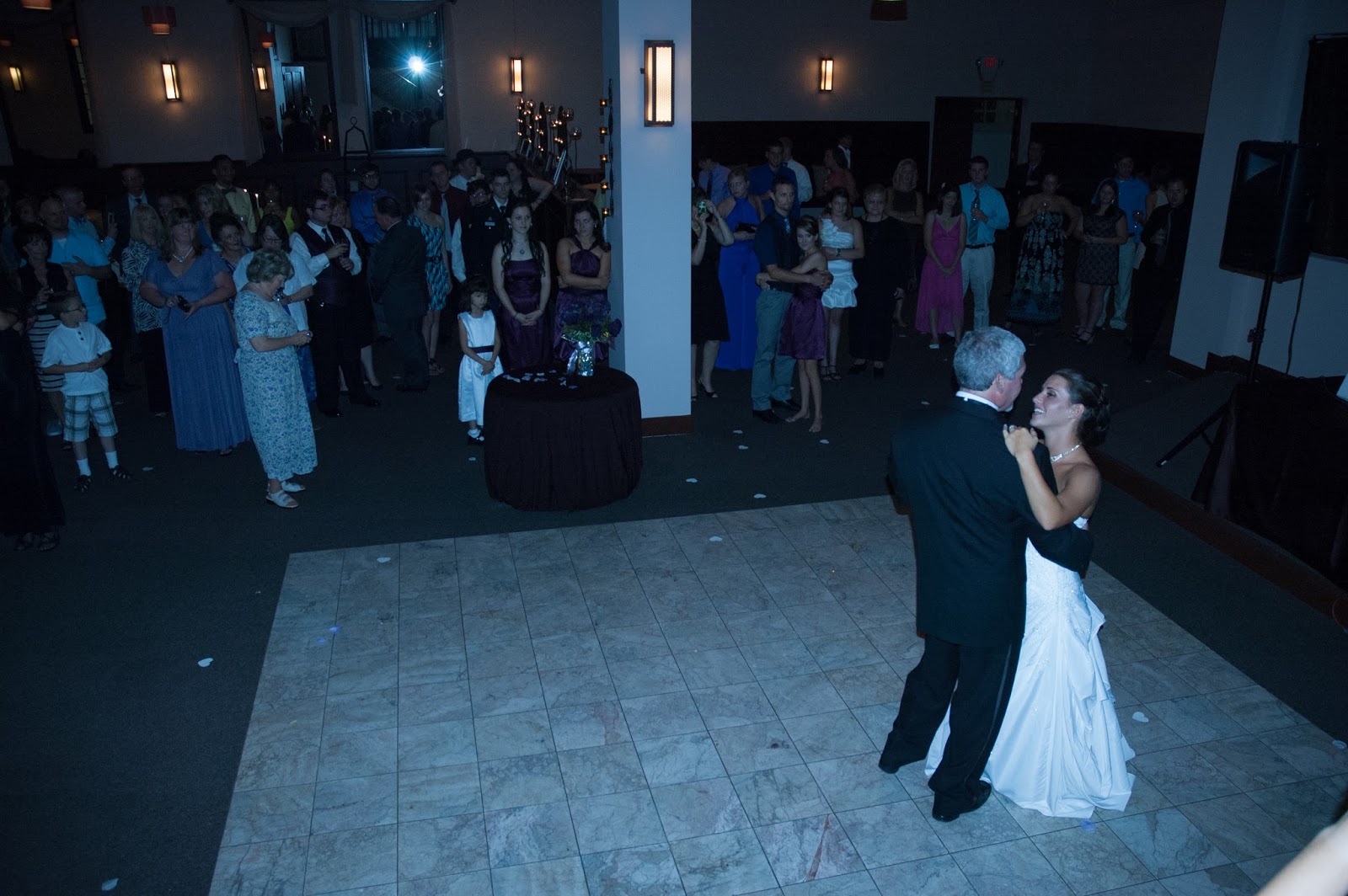
White on white. Lace or not. Ballgown? No. Mermaid? Can't dance. Beading and sequins and
appliqués. What kind of neckline?
Halter? Sweetheart? Daddy says, "You're beautiful in a burlap sack."
He's not invited on this quest. No help at all.
Strapless, yes. Tulle? Maybe a little. Shimmer? "Um, no, Mom.
That's so 1987." Wink, grin, whispering.
"I'll wear your veil as my something old." Ouch. Yards and yards of white: eggshell and ivory
and cloud and whisper and natural and champagne. Who knew white came in so many colors? Little girl disappears into
a fitting room and walks out a woman, a vision, a bride. Ready.
Subscribe to:
Posts (Atom)